
Farmers Lead the Way in Water Conservation: What New Mexico’s Acequias Can Teach the World
ZIST AAVAA | Environmental News
As climate change intensifies water shortages across many regions of the world, a centuries-old irrigation system in northern New Mexico is attracting renewed attention for its remarkable approach to water conservation and community governance.
Known as acequias, these traditional earthen irrigation canals have supported local farming communities for generations. More than a simple method of delivering water to fields, acequias operate through collective management, where farmers share responsibility for maintaining the canals and deciding how limited water resources are distributed.
Unlike industrial water systems driven primarily by demand or economic power, acequia communities rely on cooperation, transparency, and consensus. Every member plays a role in maintaining the system, while water allocation is based on fairness rather than competition.
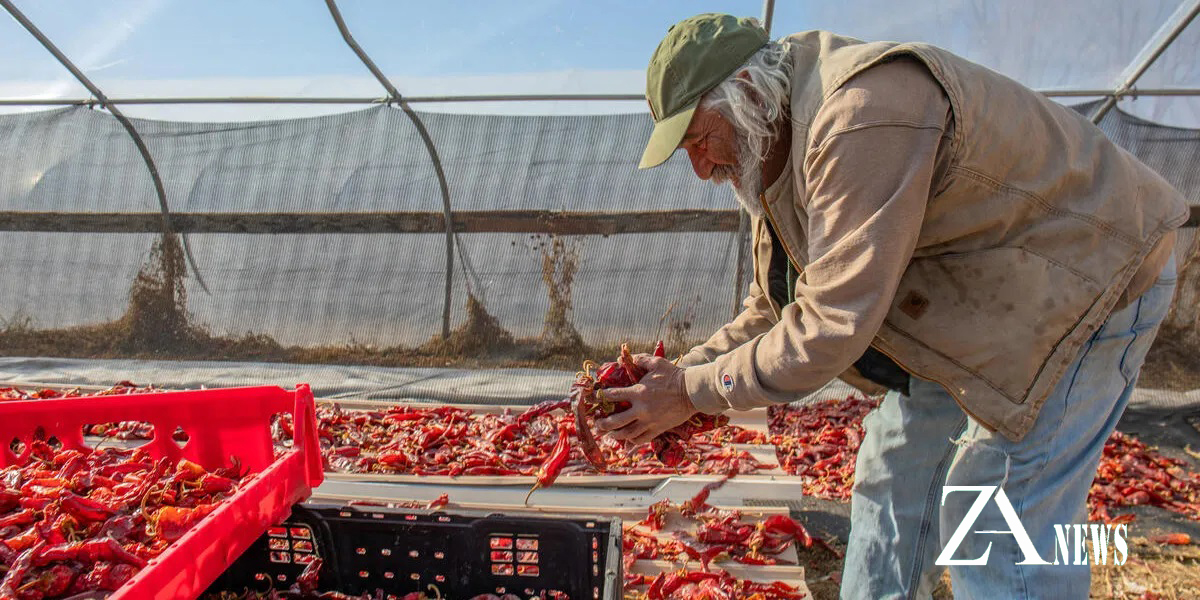
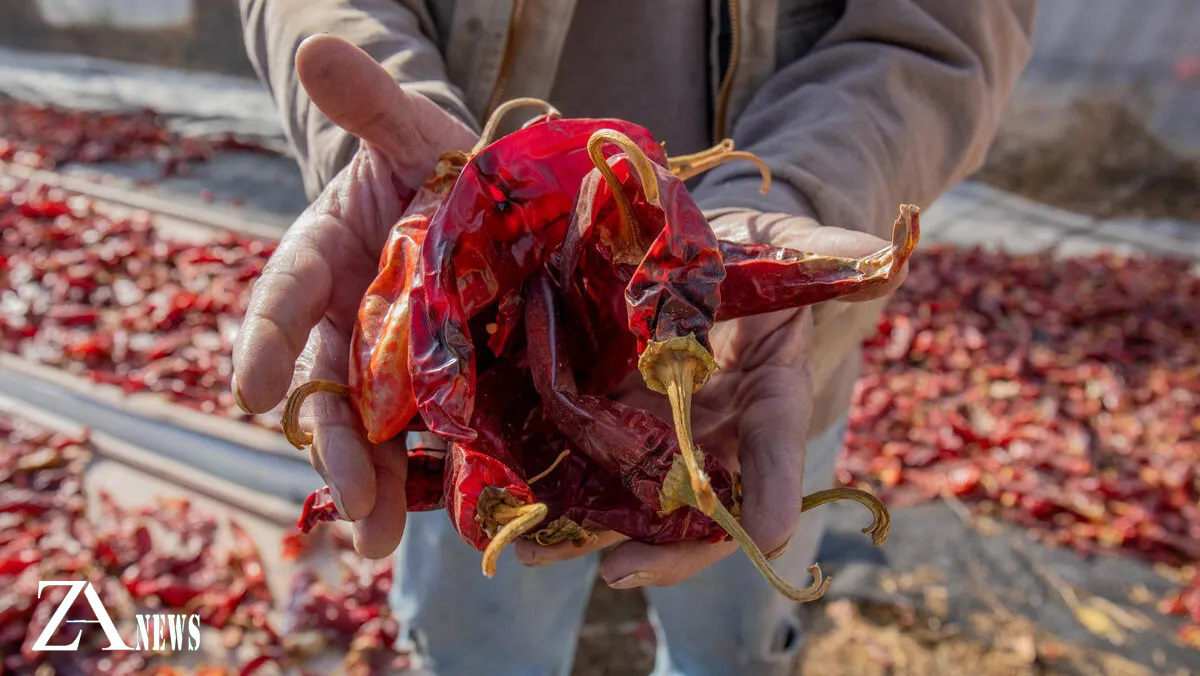
However, climate change is putting increasing pressure on this historic model. Reduced snowfall, prolonged droughts, and declining river flows have forced farmers to rethink what they grow and how they manage their land. Many are replacing water-intensive crops with native varieties that require less irrigation while adopting more sustainable agricultural practices.
Researchers and conservation organizations, including WWF and the University of New Mexico, are now studying these communities to better understand how traditional knowledge can contribute to modern water management strategies.
Experts believe the acequia system demonstrates that effective environmental conservation is not only about advanced technology. Strong local governance, community participation, and responsible resource sharing remain essential ingredients for building resilience in an increasingly water-scarce world
آیا این نوشته برایتان مفید بود؟
